

Grow Your Business in India
Daily regulatory and investment, practical country guides, and on-the-ground advisory to help businesses navigate India - from India Briefing, the publishing arm of Dezan Shira & Associates, an Ascentium company.
Schedule a Free ConsultationFEATURED ARTICLES
Legal & RegulatoryCan India Tax Offshore Transfers Under the India-Ireland DTAA? FireEye Case Explained
Tax & AccountingTDS Compliance & DTAA Optimization: A Guide to India’s Income-tax Act, 2025 for FY 2026-27
Legal & RegulatoryTiger Global-Flipkart Tax Dispute: A Landmark Test of India’s Anti-Avoidance Regime
Latest Insights
 Legal & Regulatory
Can India Tax Offshore Transfers Under the India-Ireland DTAA? FireEye Case Explained
 Economy & Trade
Why Acquisition of Shares Remains an Important FDI Route into India
 Tax & Accounting
India Statutory Compliance Due Dates for November 2026: Tax, GST, Payroll and MCA Filings
 Human Resources & Payroll
Doing Business in Maharashtra: Shops and Establishments Act Explained
From Insights to Advisory
Our India advisors help foreign investors apply regulatory, tax, HR, and market-entry insights to real business decisions.
Economy & Trade
View all →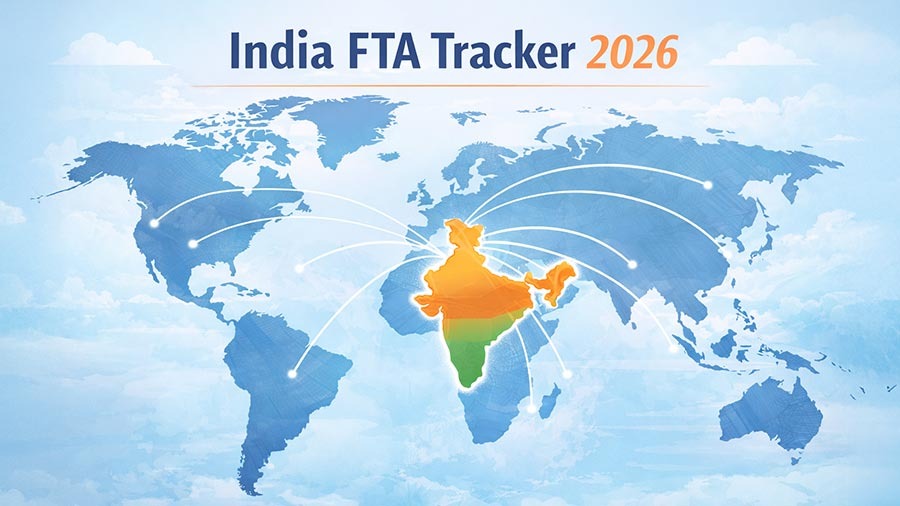
India's FTA Gambit 2026: Implementation, Expansion, and Strategic Realignment
India-New Zealand FTA Rules Clarify Origin Status for Third-Country Shipments
13 Oct 2026India Manufacturing Tracker 2026
09 Oct 2026RBI FEMA Export-Import Amendments Now in Effect: Key Changes for Businesses
01 Oct 2026Singapore Overtakes Mauritius as India’s Top FDI Source: Key Investment Trends in Q1 FY 2026-27
28 Sep 2026Tax & Accounting
View all →
India-Mauritius Tax Treaty Amendment Introduces New Anti-Abuse Test
What Is Form 161 Under the Income Tax Rules 2026? CBDT Revises Penalty Waiver Application
09 Oct 202657th GST Council Meeting 2026 Recommends Changes to ITC, Refunds and GST Penalties
09 Oct 2026MSME Tax Audit in India: Final Form 3CD Season and What to Get Right Before Form 26 Arrives
08 Oct 2026Who Needs to File Form 26 in India? Tax Audit Rules, Thresholds and New Reporting Areas
07 Oct 2026Legal & Regulatory
View all →
Doing Business in Maharashtra: Shops and Establishments Act Explained
Protecting Intellectual Property Rights Under the India-New Zealand FTA
21 Oct 2026New SEZ Amendments Introduce Greater Operational Flexibility for IFSC Units in India
19 Oct 2026Employment Visa Extension in India: What Expats and Employers Should Know
16 Oct 2026India-Mauritius Tax Treaty Amendment Introduces New Anti-Abuse Test
15 Oct 2026Industries
View all →
Protecting Intellectual Property Rights Under the India-New Zealand FTA
India’s New E-Commerce Rules Raise Compliance Requirements for Online Platforms
14 Oct 2026Tamil Nadu’s Automobile Industry: Investment Opportunities, Exports, and Manufacturing
12 Oct 2026MSME Tax Audit in India: Final Form 3CD Season and What to Get Right Before Form 26 Arrives
08 Oct 2026India's Semiconductor Sector: Tracking Government Support and Investment Trends
30 Sep 2026HR & Payroll
View all →
Doing Business in Maharashtra: Shops and Establishments Act Explained
Deploying Professionals to India Under the India-New Zealand FTA: 5 Temporary Entry Routes
21 Oct 2026Employment Visa Extension in India: What Expats and Employers Should Know
16 Oct 2026EPFO Wage Ceiling Raised to INR 25,000 in India: What Changes for Mandatory Coverage and Payroll?
05 Oct 2026Karnataka Shops & Commercial Establishments (Amendment) Act 2026: Key Details
24 Sep 2026Doing Business in India Guides
View all →
Publications
View all →-
 Download
Dezan Shira & Associates' Service Brochure
Published May 2018
-
Download
An Introduction to Doing Business in India 2026
Published January 2026
-
Download
Investing in India’s Green Economy
Published December 2023